How to Stop Procrastinating

You know that moment when you say, “I’ll start in 10 minutes,” and then—somehow—it’s three hours later and you’ve watched a 17-part series about a guy power-washing driveways?
Yeah. That’s procrastination. It’s not a personality trait. It’s not “just how your brain works.” It’s a sneaky little gremlin that steals your time, feeds on your stress, and leaves you panic-typing at 1:47 a.m. like you’re in an Olympic sport called Academic/Work Survival.
Here’s the deal: being productive isn’t about becoming a robot. It’s about protecting your future self from chaos. And if you’re serious about overcoming procrastination and staying focused, you need more than “gentle reminders” and aesthetic to-do lists you ignore like terms and conditions.
Why You Procrastinate (and Why “Motivation” Isn’t the Fix)
Procrastination isn’t usually laziness. It’s avoidance. You’re dodging something like:
- Fear of failing (so you don’t start)
- Fear of not doing it perfectly (so you overthink)
- Feeling overwhelmed (so you shut down)
- Tasks that are boring (so your brain goes feral)
- No structure (so your day turns into soup)
The problem with waiting for motivation is that motivation is flaky. Motivation is that friend who says “On my way” while still in the shower.
What actually works? Systems. Boundaries. A plan. And a little bit of “do it anyway.”
Time Management for Gen Z: Start With “Tiny Wins,” Not a Whole New Life
If your plan is: “Starting tomorrow, I will wake up at 5 a.m., meditate, run 10k, drink chlorophyll, and finish my entire life’s purpose by lunch”—please sit down. That’s how you create Day 1 perfection and Day 2 disappearance.
The rule: make it embarrassingly easy to start
When you’re stuck, your only job is to create momentum.
Try:
- “Open the doc and write one sentence.”
- “Put laundry in the basket, not even the washer.”
- “Read one page.”
- “Reply to one email.”
Starting is the hard part. Once you’re moving, your brain usually stops acting like a dramatic Victorian child.
Tough-love reminder: If you can scroll, you can start. Your thumb is not broken.
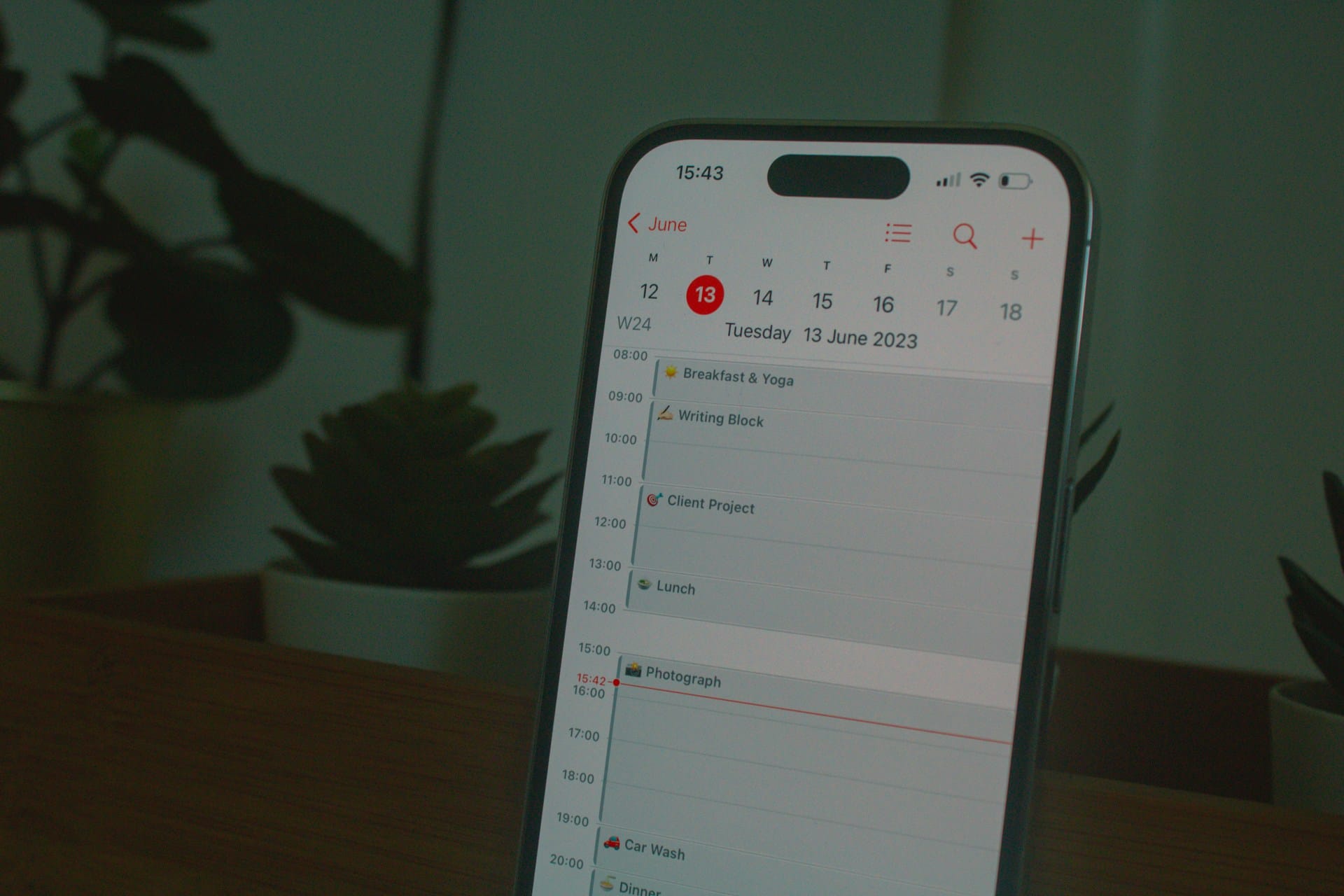
Time Blocking: Not Just for Your Mom’s Calendar
If you want to know how to stop procrastinating, stop relying on vibes and start scheduling your life like it matters.
What is time blocking?
You assign specific tasks to specific times. Not “study later.” Not “work on it sometime.” You give it an appointment.
Example:
- 4:00–4:30: outline essay
- 4:30–5:15: write intro + first section
- 5:15–5:30: break
- 5:30–6:00: edit + submit
Why it works
Because your brain loves clarity. Time blocking removes the “what should I do?” debate that leads to… you guessed it… “quick” social media.
Make it Gen Z-proof: use shorter blocks
If 2-hour blocks scare you, don’t do them. Start with:
- 25 minutes focus + 5 minutes break (Pomodoro)
- 45/15 blocks
- 60/10 blocks
Mom Clock attitude: If it’s on the schedule, it’s happening. No “I didn’t feel like it.” Feelings can ride in the back seat.
How to Avoid Distractions (Like Your 3rd TikTok Scroll)
Distractions aren’t “random.” They’re usually predictable: your phone, your notifications, your messy environment, your friend who texts “wyd” like it’s a job.
If you want staying focused to be easier, you need friction between you and distraction.
1) Make your phone inconvenient (yes, inconvenient)
Do one (or all) of these:
- Put your phone in another room
- Turn on Focus/Do Not Disturb
- Remove social apps from your home screen
- Log out (annoying = effective)
2) Use “distraction windows”
Tell your brain: “You’ll get scrolling time later.”
Example:
- Scroll break: 6:30–6:45 p.m.
- Not: “anytime I feel the slightest discomfort”
3) Block the apps. Seriously.
Self-control is a limited resource. The internet is infinite. Do the math.
This is where Mom Clock comes in: when it’s focus time, it’s focus time. Not “just a peek.” Not “one video.” Not “I’ll stop after this.”
Stop negotiating with your phone like it’s a hostage situation.
How to Actually Finish What You Started (Instead of Starting 12 Things)
Starting tasks is cute. Finishing them is what reduces stress and gets results.
Use the “Finish Line First” method
Before you start, define what “done” means.
Bad: “Work on presentation.”
Better: “Finish 6-slide draft + speaker notes.”
Bad: “Study bio.”
Better: “Complete 25 practice questions + review mistakes.”
If you don’t define “done,” your brain will wander off like a toddler in Target.
Try the 2-list system (it’s brutal but effective)
- List A: Today’s 1–3 Must-Do tasks
- List B: Everything else (parking lot)
Only List A counts today. List B is where dreams go to wait politely.
Tough-love truth: If everything is a priority, nothing is. Pick 3 and commit.
Overcoming Procrastination When You’re Overwhelmed: Do a “Brain Dump” Then Sort
When your brain feels like 47 tabs open, the answer isn’t “push harder.” The answer is: get it out of your head.
Step 1: Brain dump (3–5 minutes)
Write every task you’re avoiding. No order. No judgment.
Step 2: Sort into 4 categories
- Do (important + urgent)
- Schedule (important, not urgent)
- Delegate (if you can)
- Delete (be honest)
Step 3: Pick one tiny next step
Not the whole project. The first step:
- open the file
- create the outline
- gather sources
- write the first paragraph
Staying Focused Without Burning Out: Work Like a Human, Not a Machine
Yes, we’re strict. No, we’re not trying to turn you into a productivity corpse.
If you work nonstop, your focus will fall apart, and procrastination will come back like a sequel nobody asked for.
Use breaks correctly (not “accidental naps”)
Good break ideas:
- stand up, stretch, water
- short walk
- snack with protein
- 5-minute tidy
Bad break ideas:
- “I’ll just check TikTok” (you will not return)
- “One episode” (liar)
- “Quick gaming break” (see you tomorrow)
Sleep is not optional
If you’re sleeping 4 hours and wondering why your brain is foggy: that’s not procrastination. That’s your body sending a cease-and-desist.
Your Tough-Love Productivity Rules (Print These in Your Brain)
- If it takes under 2 minutes, do it now.
- Schedule tasks. Don’t “hope” they happen.
- Start tiny. Momentum beats motivation.
- Remove distractions before you “test yourself.”
- Done > perfect. Always.
And the big one:
No more “tomorrow”
Tomorrow is not a strategy. It’s a hiding place.
Ready to Stop Making Excuses?
If you’re done playing tag with your deadlines and you actually want to know how to stop procrastinating in real life—not in theory—try Mom Clock.
Set your focus time. Let it block the apps you “accidentally” open 200 times a day. And get your work done like your future self is watching. Because they are. And they’re tired.
Download Mom Clock and start your first focus block today.
No snooze. No “later.” Just results.