Why Reminders Don’t Work for Procrastinators

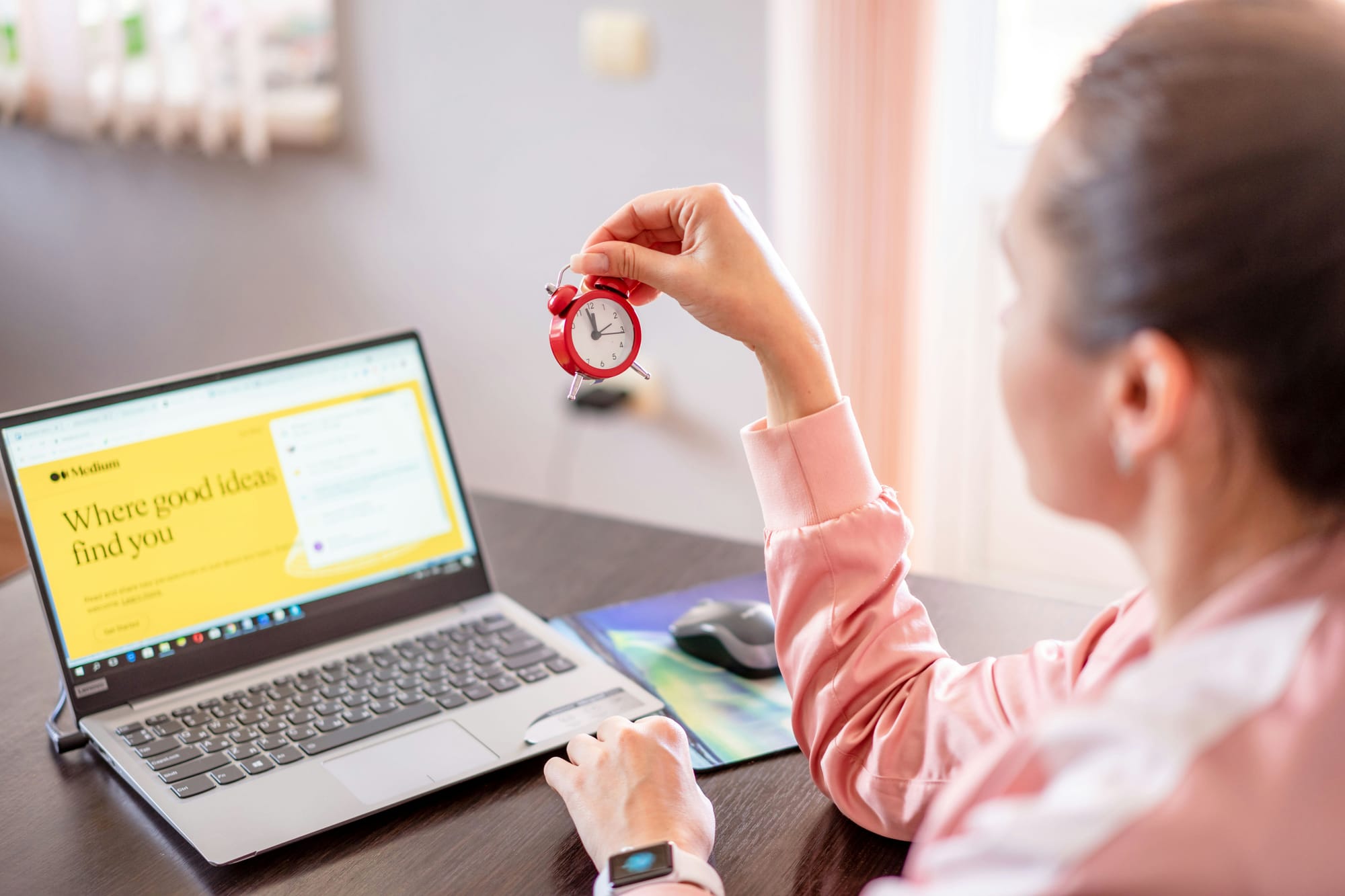
You set a reminder. Then another reminder. Then a reminder for the reminder. Then you “snooze” it like you’re gently tucking your responsibilities into bed.
And somehow… your homework is still not done, your laundry still lives in a pile that has achieved sentience, and your “quick 5-minute scroll” has become a full Netflix season.
If reminders worked for procrastinators, you’d be unstoppable by now. But you’re not broken—and you’re not lazy. You’re just using the wrong tool for the job.
This post breaks down why reminders don’t work for procrastinators, what’s actually going on in your brain, and the no-nonsense systems that do work—including the strict approach Mom Clock was literally built for.
Because let’s be real: procrastination doesn’t need a notification. It needs an intervention.
Why Reminders Don’t Work for Procrastinators (They’re Basically Suggestions)
Reminders are helpful for people who already intend to do the task and just need a nudge.
Procrastinators don’t need a nudge. They need a bouncer.
Reminders don’t remove the hard part—starting
Most procrastination isn’t about forgetting. It’s about avoiding that annoying first moment when you have to start.
A reminder can tell you:
- “Write the essay.”
It cannot make you:
- Open the laptop
- Face the blank page
- Risk writing something bad first
- Accept that you might not finish perfectly
So the reminder shows up, and your brain goes:
“Absolutely not. We will be experiencing comfort instead.”
Notification fatigue: your brain learned to ignore you
If your phone is buzzing 83 times a day, your brain starts treating reminders like background noise.
They become the productivity version of:
- “We’ve been trying to reach you about your car’s extended warranty.”
Once that happens, you don’t even feel guilty. You just swipe it away with the same emotion you reserve for spam emails: none.
“Later” is procrastination’s love language
Reminders are usually paired with escape hatches:
- Snooze
- Dismiss
- “Remind me in an hour”
- “Tomorrow”
- “When I’m emotionally ready” (so… never)
If you can delete accountability with one thumb, procrastination will do it every time.
Takeaway: Reminders are information. Procrastinators need behavior change. Those are not the same thing.
The Real Reasons You Procrastinate (It’s Not Laziness, It’s Avoidance)
Let’s clear something up: procrastination isn’t a time management problem. It’s an emotion management problem.
You’re not avoiding the task. You’re avoiding how the task makes you feel.
The task feels uncomfortable (boring, hard, scary, confusing)
Common procrastination triggers:
- Boredom: “This is painfully un-stimulating.”
- Fear: “What if I fail?”
- Overwhelm: “Where do I even start?”
- Uncertainty: “I don’t get it, so I’ll pretend it doesn’t exist.”
And the quickest way to stop those feelings?
Do literally anything else—especially something with instant dopamine (hi, TikTok).
Perfectionism: the “if it can’t be perfect, I won’t start” trap
Gen Z is ambitious, online, and constantly being shown someone else doing everything better. That’s a perfect recipe for:
- Overthinking
- Waiting for motivation
- Planning instead of doing
- Starting only when you can “do it right”
But productivity doesn’t come from perfect starts. It comes from messy starts you keep going.
Vague tasks create zero urgency
“Work on project” is not a task. It’s a vibe. And vibes don’t get finished.
Your brain can’t execute vague instructions. So it delays.
Compare:
- “Study for biology”
vs - “Do 10 flashcards on Chapter 3 right now”
The second one is clear. The first one invites a 45-minute snack break.
Takeaway: If you want help with overcoming procrastination, stop relying on reminders and start building systems that reduce discomfort and make starting easier.
What Actually Works Instead of Reminders: The Anti-Procrastination Stack
You don’t need a new personality. You need a setup that makes procrastination inconvenient.
Here’s what actually works—especially for time management for Gen Z when everything is distracting and everyone is tired.
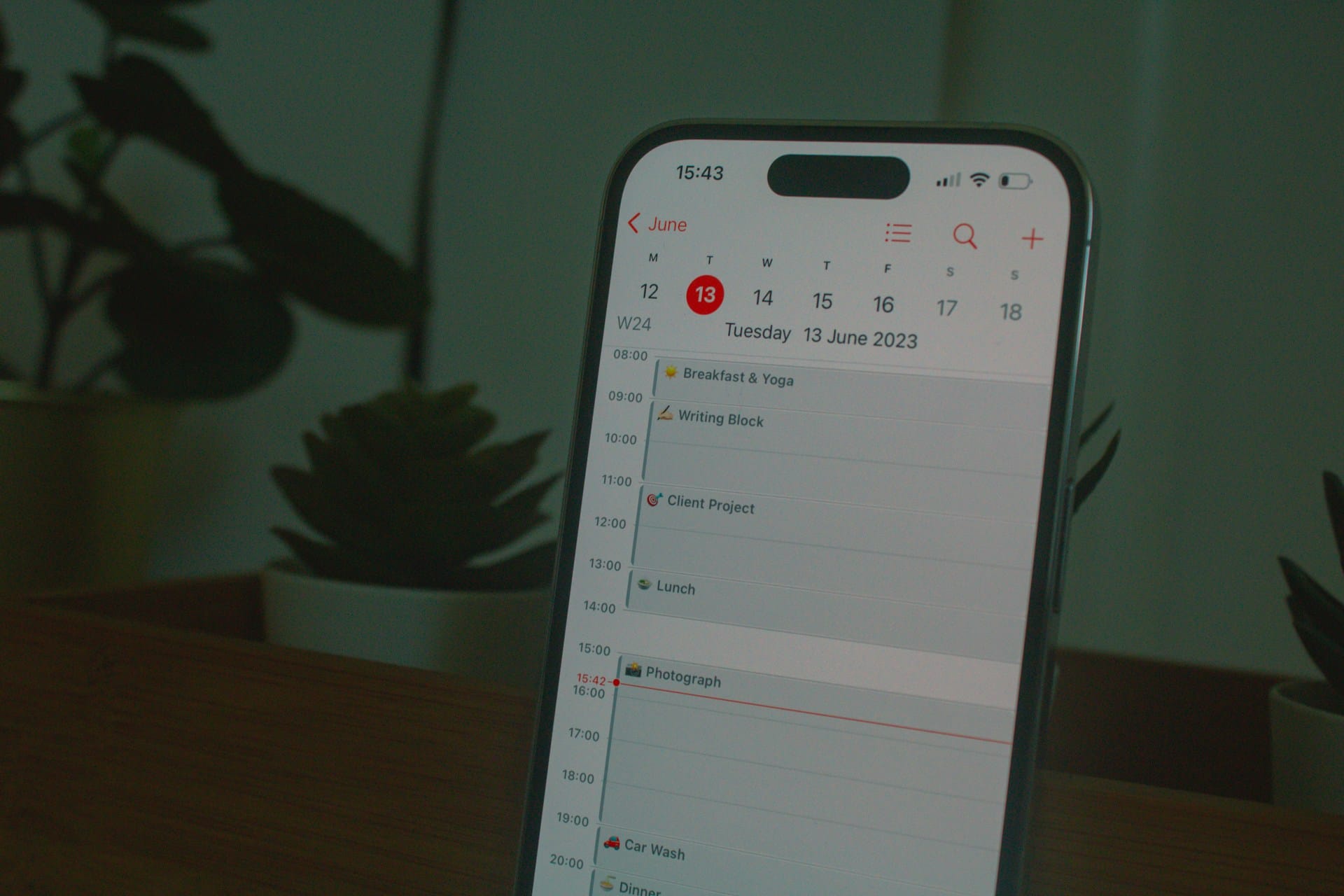
Time blocking: not just for your mom’s calendar
Time blocking means you decide when you’ll do something before your day gets chaotic.
Instead of:
- “I’ll do it later.”
You say:
- “I’m doing it from 6:00–6:30.”
Basic time block formula:
- 25–50 minutes focus
- 5–10 minutes break
- Repeat
No, you don’t need to time block every second like a productivity influencer with six planners. Just block the most important 1–3 things.
Rule: If it’s not scheduled, it’s not real. It’s a wish.
The 2-minute start rule (because starting is the boss fight)
Your only job is to start for 2 minutes. That’s it.
Examples:
- Open the doc and write a terrible first sentence
- Put on workout clothes
- Open the textbook and highlight one paragraph
- Create the folder for the project
Starting is the part procrastinators avoid—so make the start so small it’s almost embarrassing to refuse.
If–then planning: tell your brain what to do automatically
This is the cheat code for “how to stop procrastinating” when you rely on vibes.
Examples:
- If it’s 7 PM, then I start my assignment at my desk.
- If I finish dinner, then I do 20 minutes of study.
- If I feel like avoiding it, then I do the 2-minute start anyway.
You’re reducing decision-making, which reduces delay.
Reduce choices, increase friction (for distractions)
Procrastination thrives on easy escapes.
So you:
- Make productive actions easier
- Make distracting actions harder
Prep your environment:
- Put your charger near your desk
- Keep water nearby
- Close extra tabs
- Put your phone out of reach (or better: blocked)
Takeaway: Reminders are passive. Systems are active.
Distraction-Proofing: How to Stay Focused When Your Phone Is a Tiny Casino
Your phone isn’t “just a tool.” It’s a slot machine designed by 400 engineers who would love you to keep scrolling until your bones turn to dust.
So if you’re serious about staying focused, you need boundaries—not vibes.
Remove the biggest offender: “just checking”
“Just checking” is never just checking.
It’s:
- 1 notification
- 4 replies
- 2 reels
- 7 minutes of dissociation
- and suddenly you’re late to your own life
Decide your rules:
- No social apps during focus blocks
- Notifications off (or heavily limited)
- Check messages only during breaks
What procrastinators actually need: consequences
This is where most productivity advice fails you. It assumes you’ll behave because you should.
Procrastination does not care what you should do.
You need friction. You need enforcement. You need something that says:
“No. Not now. Do the task.”
That’s the whole point of Mom Clock: when it’s focus time, it’s focus time. No “later.” No “real quick.” No negotiating like you’re in hostage talks with your own attention span.
If you’ve learned to ignore reminders, you don’t need more reminders. You need a tool that makes distraction harder than doing the work.
Focus sprints + intentional breaks (breaks aren’t stolen, they’re scheduled)
Breaks are good. “Accidentally” taking a 47-minute break because you opened TikTok is not a break—it’s a detour into the void.
Try:
- 25 minutes focus
- 5 minutes break
- Repeat 2–4 rounds
- Longer break after
Your break should be something that actually refreshes you:
- Walk
- Stretch
- Snack
- Water
- Stare into space like a Victorian poet
Takeaway: You don’t need superhuman willpower. You need fewer temptations during the moments you’re weakest.
A No-Excuses Game Plan (Do This Today in 15 Minutes)
This is the part where you stop reading productivity content “for motivation” and actually do something. Yes, I see you.
Step 1 — Pick ONE priority (not 12)
Choose the task that would make you feel 80% less stressed if it was done.
One. Not five.
Step 2 — Turn it into a tiny first action
Make it specific and small:
- “Open the slides and title them”
- “Write 3 bullet points”
- “Create the outline”
- “Do question 1 only”
If your task description includes the words “start,” “work on,” or “figure out,” it’s too vague.
Step 3 — Time block it (and defend that block)
Put it on your calendar:
- Start time
- End time
- What “done” looks like
Then protect it like it’s a concert ticket you paid for.
Step 4 — Block distractions during the block
This is the moment where you stop trusting “future you” to be disciplined.
Use strict tools. Set app limits. Turn off notifications. Or let Mom Clock do what it does best: enforce focus.
Step 5 — Do a 30-second review
After the session:
- What worked?
- What distracted you?
- What’s the next tiny step?
This builds momentum—and momentum is how you win.
Takeaway: Motivation is a liar. Momentum is reliable.
The Bottom Line: Reminders Are Too Polite for Procrastination
Reminders aren’t useless. They’re just weak.
They assume you’re the kind of person who sees a notification and goes, “Yes, I will now do the hard thing immediately.”
Procrastinators see a notification and go:
“Noted,” and then vanish into the app abyss.
If you’re serious about overcoming procrastination, you need:
- Clear tasks (not vague wishes)
- Time blocking (a plan you can follow)
- Tiny starts (to lower resistance)
- Distraction barriers (because your phone is undefeated)
- Consequences (because “later” cannot be trusted)
Ready to Stop Snoozing Your Life?
If reminders worked, you’d be done by now.
Mom Clock is here to do what gentle productivity apps won’t: block distractions, enforce focus, and keep you on track—no snooze button, no “tomorrow,” no negotiating.
Download Mom Clock and get your stuff done.
Because if you don’t start now… you’re going to “remind yourself” forever.