What to Do on Low-Energy Days When You Still Need to Get Things Done

There are days when nothing is wrong with you physically, but your mind feels tired, and you just can’t bring yourself to get started on any tasks. Maybe you’re dealing with hormonal crashes, you didn’t get enough sleep, or it’s just a slow afternoon after a high-energy morning. Occasionally, you may be able to take a break and recharge, but in most cases, some things need to get done regardless of how you feel.
While some people can actually force themselves back to their normal pace, it doesn’t work for the majority, and pushing harder just brings you closer to a burnout. It’s easy to start getting anxious, especially when you’re expected to complete tasks or meet demands with the same level of productivity. In this article, we take a look at the reasonable adjustments you can make in your day to work with what you have instead of fighting what you don't.
Stop Trying to Have a “Normal” Day
If you look up productivity advice, you'll quickly realize that most of it treats output as purely a result of effort. They tell you to try harder, start earlier or push through, and so when you can’t get things done as fast and well as you usually do, you start blaming yourself and trying to force yourself through it. This doesn’t just fail, it actually makes things worse.
When you’re trying so hard to direct energy that you don’t have on getting things done in one day, you’re essentially stealing recovery time from the next two or three. The work you produce will probably have more errors and need more time to be redone.
Consistency is praised, and treating every day the same feels like discipline. Even if adjusting feels like weakness or slacking, you must be able to read your condition. When you try to push hard through repeated low-energy days without giving yourself time to recover, you end up building a deficit that will eventually force the rest you were trying to avoid, and usually at a much less convenient time. The burnout quietly starts to creep in through the steady accumulation of days where you ask more of yourself than is available to give.
Redefine the Win
On your best days when working at your full capacity, a win might look like checking your entire task list or finishing a project ahead of schedule. To push yourself down the same path when you don’t have as much energy means that you’ll end up with a bunch of half-done tasks needing revisions and a vague feeling of failure that will only make you feel worse.
Some tasks are important and help to move projects forward, and others can wait a little longer. If you can distinguish these and only put your energy towards what genuinely matters, you’ll be able to move from “clear everything on the board” to “move the right things forward for today”. Try to:
- Identify and separate what is actually urgent and consequential from what feels pressing but could realistically wait a day without any real effect.
- Work on the reduced scope without sacrificing the quality. It’s better to give your best to just the small part that you’re working on instead of working on the whole thing and ending up with a sloppy but completed job.
- Break down the task into something that you can actually do with little difficulty instead of abandoning the whole thing.
Match Tasks to Your Energy
Different tasks demand different amounts of mental energy. Responding to an email, for instance, is relatively easier compared to writing a proposal from scratch. When you’re low on energy, try to sort your task list based on how easily you can get each item done without struggling too hard. If you try to force yourself to get the tougher and more demanding tasks done when you don’t have the mental energy for it, you’ll just end up with mediocre work that will still need to be revised, effectively adding to the total amount you spend on them.
You should also reduce the length of your focus sessions. If you can do 40-60 minutes per session on your best day, try to halve it when you feel mentally drained and add some reasonable breaks between them.
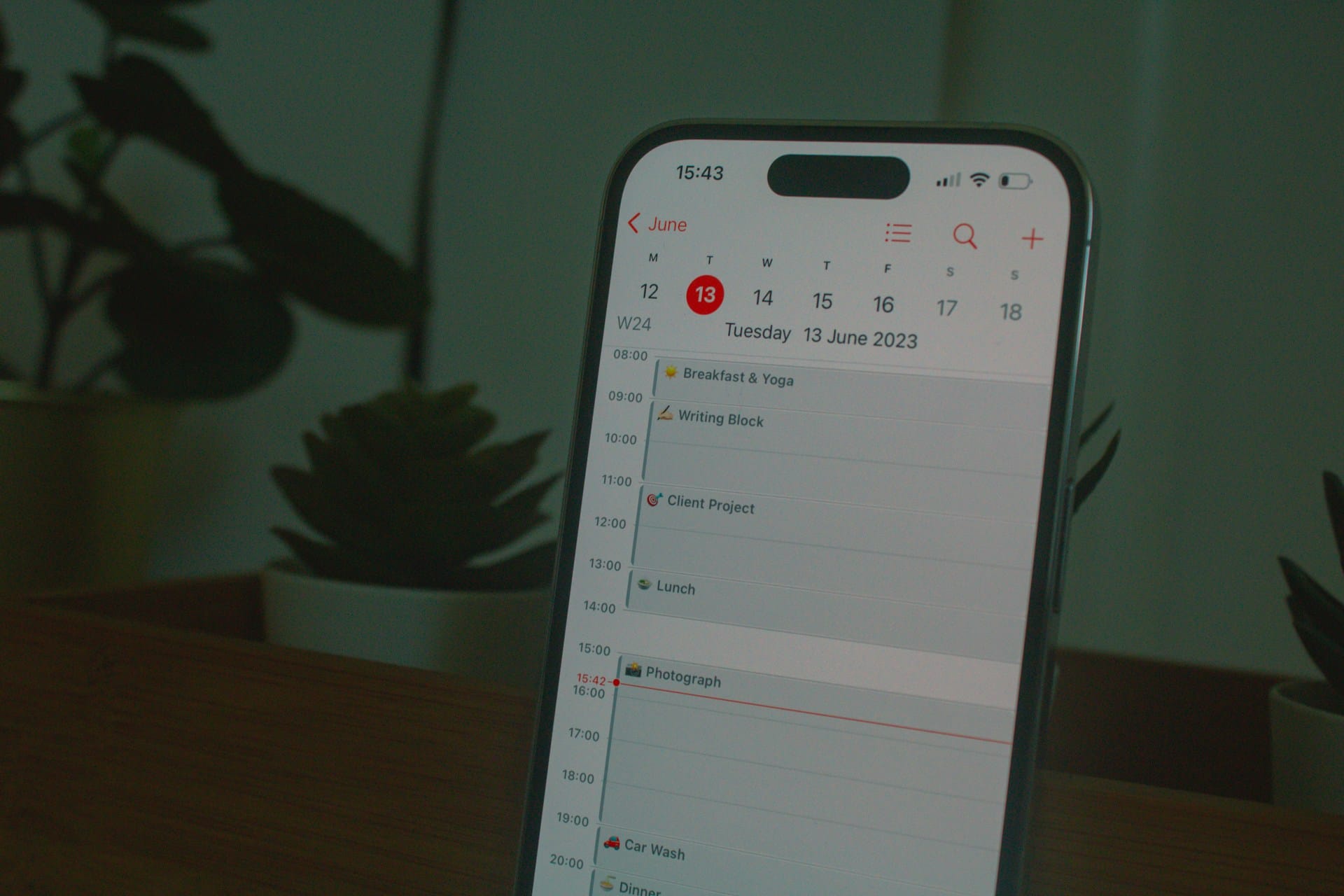
With a flexible time blocking system like Mom Clock, you can adjust the blocks directly and see the revised shape of your day clearly without having to reshuffle things as you go. You make the decisions once, preferably at the start of the day, and avoid continuously renegotiating while you're trying to work.
Protect Tomorrow's Energy
When you haven’t got as much done as you would have wanted, you could end up feeling guilty and trying to compensate. This could look like pushing into the evening and going to sleep late, skipping the activities you enjoy, or doubling your workload the next day. The choices you make for your recovery are important.
Having low mental energy is not a personal failure that you need to punish yourself for. It’s your body trying to communicate. Maybe you aren’t sleeping well, or you’re stressed out, or maybe you just need to wind down a little and let your brain catch a break. You can’t just ignore the signal and hope that your body resolves the issue on its own. Sleep issues are especially hard to ignore, and the less of it you get, the slower you’ll keep getting. Ending the day with a little left in reserve isn't laziness, it's how you show up for the next one.
Just remember, sustainable productivity isn't about getting as much output from every day as you can. It's about maintaining the conditions that make good work possible across days, weeks, and months.
Frequently Asked Questions
How can I be productive when I'm tired?
Your definition of a productive day doesn’t need to be the same as on your high-energy day. Go through your task list and choose the ones that need to move forward, and reduce the scope of the work that needs to be done to something you can manage. Match the energy demand to what you can give, and do the work well, no matter how little.
Should I work at all on low-energy days?
It depends on the level of fatigue. If you’re just experiencing a little brain fog, try to work through tasks that don’t demand too much mental energy. If you’re totally exhausted, get some rest to avoid burnout.
What tasks are best for low-energy days?
Anything that doesn’t require you to think deeply and continuously for long periods. Tasks like admin work, sorting files, reviewing notes, updating lists, planning next steps, and short review sessions need attention but not too much focus.
Is it okay to move important tasks to another day?
Yes, but you should be able to know when strategic scheduling starts slipping into avoidance. Shifting smartly to give them better attention later helps you recover and prevent burnout, but randomly moving tasks because they make you feel uncomfortable is a slippery path to procrastination.
Does time blocking still work on low-energy days?
Yes, but the time blocks need to reflect your reality. Shorter sessions with lighter tasks and reasonable buffers work much better than a rigid system that won’t bend to accommodate your reality on a given day.