How to Stop Procrastinating When Studying, Even When You’re Not Motivated

If we only needed motivation to get things done, no one would be struggling as much with procrastination. As it turns out, though, motivation is not enough, especially for tasks like studying that take quite a bit of mental energy with no immediate rewards.
Most people wait to “feel ready” before opening the book or starting the assignment, but they rarely ever get there. This is because your brain already expects to expend a lot of energy and focus, and with studying, there isn’t a single moment where it really feels done. Even if you really care about the outcome, your brain is inclined to keep pushing it off.
Motivation is not consistent, and you’ll struggle with it on days when you feel tired, distracted, or when you’re trying to tackle a particularly tough subject. It’s not a measure of discipline, though, and when you find yourself repeatedly pushing your study time off just for another ten minutes of tidying up your desk or scrolling on Tiktok, don’t be too harsh on yourself. It doesn’t mean that you’re lazy or that you don’t care about your studies. It’s just that your study plan depends on a feeling you cannot control.
In this article, we will take a look at why studying triggers procrastination so easily and how by leaning on a reliable structure, not willpower, you can get started even when motivation is nowhere to be found.
Why Studying Is the Easiest Place to Procrastinate
Unlike fun things like playing your favorite video games or watching another episode of an enjoyable anime, the idea of studying is an immediate no for your brain because it quietly checks almost every box for things it wants to avoid:
- There are no quick wins or immediate rewards
- The task feels too big, so starting feels overwhelming
- It often feels endless, with no obvious stopping point
- There is no clear structure for what to start with
- It is generally mentally heavy. Your brain has to focus, remember, and solve problems without much stimulation or novelty
- Distractions are easier and more rewarding in the moment
- Motivation melts away rather quickly once the actual effort begins
“I’ll start later” always sounds strangely reasonable in the moment until the night is gone and you’ve barely covered a page.
Why Motivation-Based Study Advice Almost Always Backfires
Simply put, motivation is unreliable. It’s there when a task feels exciting or meaningful, but it quietly disappears when the task feels repetitive, difficult, or mentally demanding. On a good day, it might help you get started but on most days, it fades the moment you hit resistance. Even just opening your notes and seeing the amount of ground you need to cover can be enough to stall you.
Motivation-driven advice can often make procrastination worse because:
- Focus hardly ever arrives predictably, especially for subjects you consider boring or hard. You could end up waiting for a feeling that might just never show.
- “Just start for 5 minutes.” Five minutes might get you going, but to keep studying, you’ll need sustained effort.
- Waiting for inspiration is unreliable. Inspiration is fickle, and it can quickly turn studying into an emotional negotiation instead of a simple habit.
- “Reward yourself after.” Delayed rewards can’t really override the immediate pull of distractions when your brain is already resisting.
Your progress will always be inconsistent if studying depends on how good you feel.
What Actually Helps You Start Studying When You Don’t Feel Like It
Reduce the Number of Decisions
If you have to keep constantly making decisions like when to start, where to start, when and where to stop, and what to study next, you’ll soon be struggling with decision overload. Each question sucks your mental energy before you can even start. If you shrink the choices to zero by pre-deciding everything ahead of time, your only job becomes showing up.
Use Fixed Start Times Instead of Open-Ended Goals
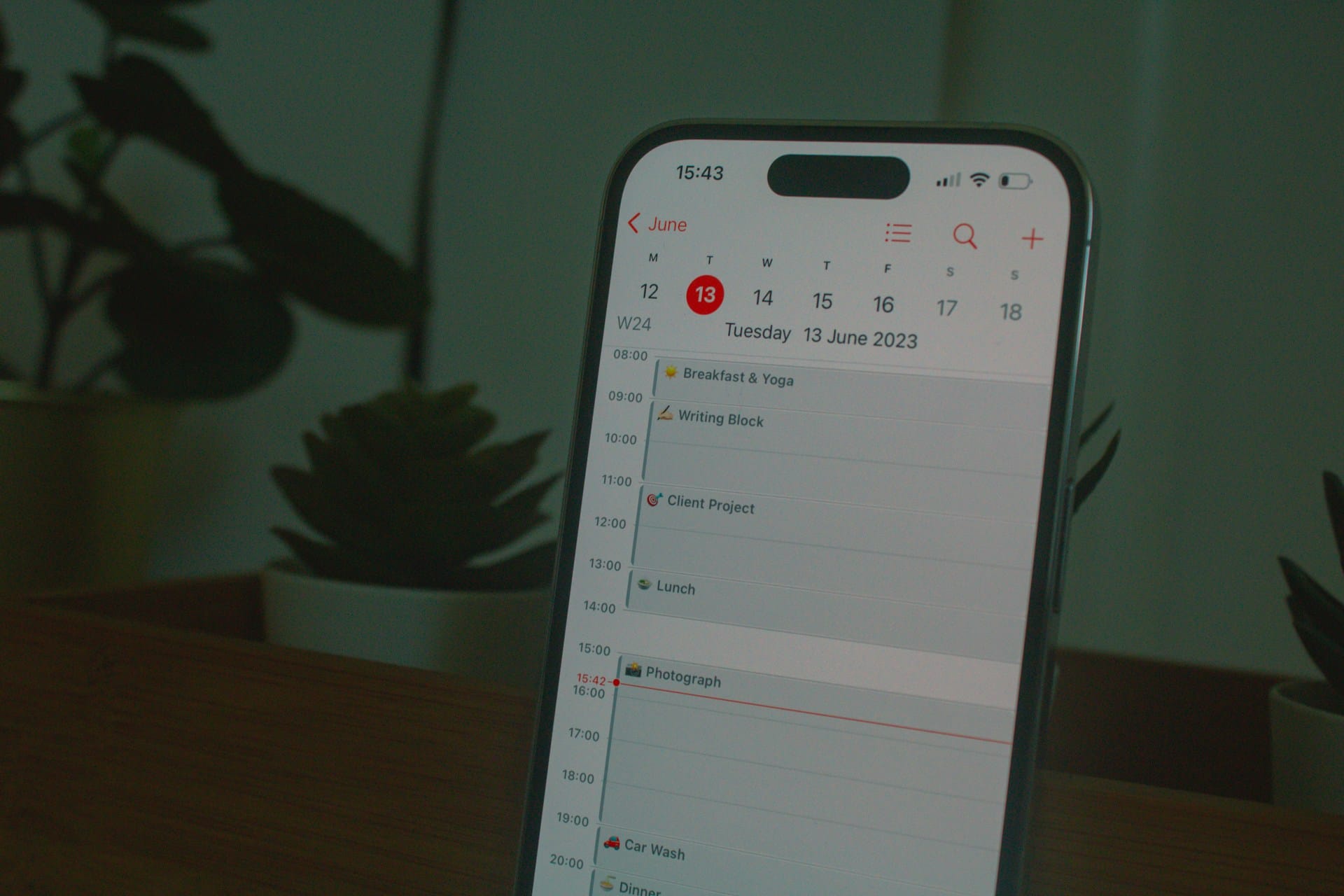
Instead of telling yourself “I’ll study later,” just pick a time to start and stick to it. Be specific too (instead of “study for two hours today,” make it “study from 7–8 p.m.”) Time-based schedules work better than goals that are based on the outcome because they remove reliance on fluctuating motivation.
Create Clear Stop Points
Open-ended study sessions scream “this will take forever.” If you know exactly when it ends, starting feels safe. For example, set a timer for 25 or 50 minutes, work until it rings, then stop. You’ll be able to reduce resistance and even make the next session easier to face.
Why Consistency Beats Intensity for Studying
Many students believe that studying harder in one long session is the key to catching up or making progress, and they end up cramming all night before an exam. While this may feel productive, it is a motivation trap that can burn you out fast the moment your willpower starts to deplete.
Consistency matters more than intensity, and small, repeatable study blocks compound quietly to make significant progress. They help you build gradual momentum, and eventually, you’ll be able to avoid procrastination by falling into simple and repeatable habits. A predictable schedule trains your brain to expect studying at certain times, and with practice, you can eventually step off the “all-or-nothing” mindset that makes everything feel so overwhelming.
Where Most Students Still Get Stuck
Even with good intentions, many students still struggle to maintain consistent study habits. The plan often breaks down because:
- They simply forget to study. Life happens, you get distracted, the 7 PM study sessions are pushed to “later”, and it’s now bedtime.
- You swipe away when the notification pings, maybe intending to come back to it later, but you’re feeling unmotivated or preoccupied with something much more interesting, so you just dismiss them.
- They move their study times (often spontaneously) so many times that it becomes a habit that eventually erases their fixed study blocks and ushers them back to unpredictability.
- You miss a day, feel guilty, then avoid studying altogether.
This shows why you can’t simply rely on just willpower or motivation - these gaps happen because even the best structure needs backup when your brain resists.
How Mom Clock Supports Studying Without Motivation
What you need is a no-compromise system that takes over the decisions and enforcement. Mom Clock gives you enforced study blocks with strict alarms that do not leave room to negotiate or snooze your way out.
The app and website blocking work really well to stop distractions, and you cannot scroll or escape into easier tasks. You also get visual timers that show you clear start and stop points, with sessions so they feel manageable even without motivation.
There are different schedules for study versus other parts of your day, a feature that helps create a predictable structure that overrides low-energy days.
In short, Mom Clock handles the resistance so you do not have to. If you are a student and you’re tired of motivation roulette, the app turns “I should study” into actual action.
Frequently Asked Questions
Why do I procrastinate studying even when I care?
You’re not lazy; your brain is just wired to avoid high-friction tasks with delayed rewards like studying. Caring deeply does not automatically move you to action. What helps is an external structure that can remove the decision overload and give you clear entry points to move from intending to actually doing.
How can I study if I have no motivation?
The thing with motivation is that it fluctuates all the time, and you cannot really rely on it. You need to follow a system that carries you through even when you just don’t feel like it. Mom Clock, for instance, sets for you clear start and stop times so you can study consistently even when energy or motivation is in the gutters.
Does this work for ADHD students?
Absolutely. People with ADHD also thrive on external structure over internal regulation. With fixed blocks, visual timers, and app blocking, you can navigate time blindness and transitions easily and make studying more predictable.
How long should a study block be?
Short, focused sessions often work best. You can try starting with 25–50 minutes, followed by a short break. Adjust based on your focus, but keep them consistent and contained so you can build momentum without being overwhelmed.
Is studying without motivation sustainable?
Yes, because working with a good structure can become a habit faster than motivation dials down. Short daily blocks eventually make for some great progress without the usual burnout. Over a couple of weeks, showing up starts to feel normal, and resistance fades as the system carries most of the load.